
Contents
Overview
The Victorian Era marked a significant departure from the preceding Georgian era, characterized by its own distinct social mores and political landscape. Precursors to Victorian thought can be traced to the Enlightenment's emphasis on reason and the Romantic movement's focus on emotion, yet the era forged a unique identity. The early Victorian period saw the consolidation of industrial power, spurred by innovations like the steam engine and advancements in textile manufacturing. The Industrial Revolution, which began earlier, reached its zenith, fundamentally reshaping Britain's economy and society. The era's end coincided with the dawn of the 20th century and the rise of new global powers, signaling a shift in the international order.
⚙️ How It Works
The Victorian Era operated on a complex interplay of burgeoning industrial capitalism, a rigid social hierarchy, and a powerful, expanding empire. At its core was the factory system, driven by coal power and mechanization, which produced goods on an unprecedented scale. This industrial might fueled Britain's global dominance, enabling the vast expansion of the British Empire across continents. Politically, the era witnessed significant reforms, including the Reform Act of 1832 and subsequent acts that gradually expanded suffrage, though universal male suffrage and women's suffrage remained distant goals. The legal and social structures were often patriarchal, with strict codes of conduct governing public and private life, particularly for the middle and upper classes. The infrastructure of the age was equally remarkable, with the proliferation of railways, telegraph lines, and steamships connecting the nation and its colonies with unprecedented speed.
📊 Key Facts & Numbers
The Victorian Era was a period of staggering statistics. The British Empire, at its peak around 1900, covered approximately 13.7 million square miles, nearly a quarter of the Earth's land surface, and ruled over roughly 412 million people, about 23% of the world's population. Industrial output surged; by 1870, Britain produced 40% of the world's manufactured goods. The population of London alone more than tripled during Victoria's reign, from approximately 1.1 million in 1801 to over 6.5 million by 1901. Railway mileage in the UK exploded from just 66 miles in 1830 to over 15,000 miles by 1870. Despite this progress, poverty remained rampant; it's estimated that by the 1880s, around 30% of the population in London lived in poverty. The Crimean War (1853-1856) saw approximately 22,000 British casualties, a stark reminder of the human cost of imperial ambitions.
👥 Key People & Organizations
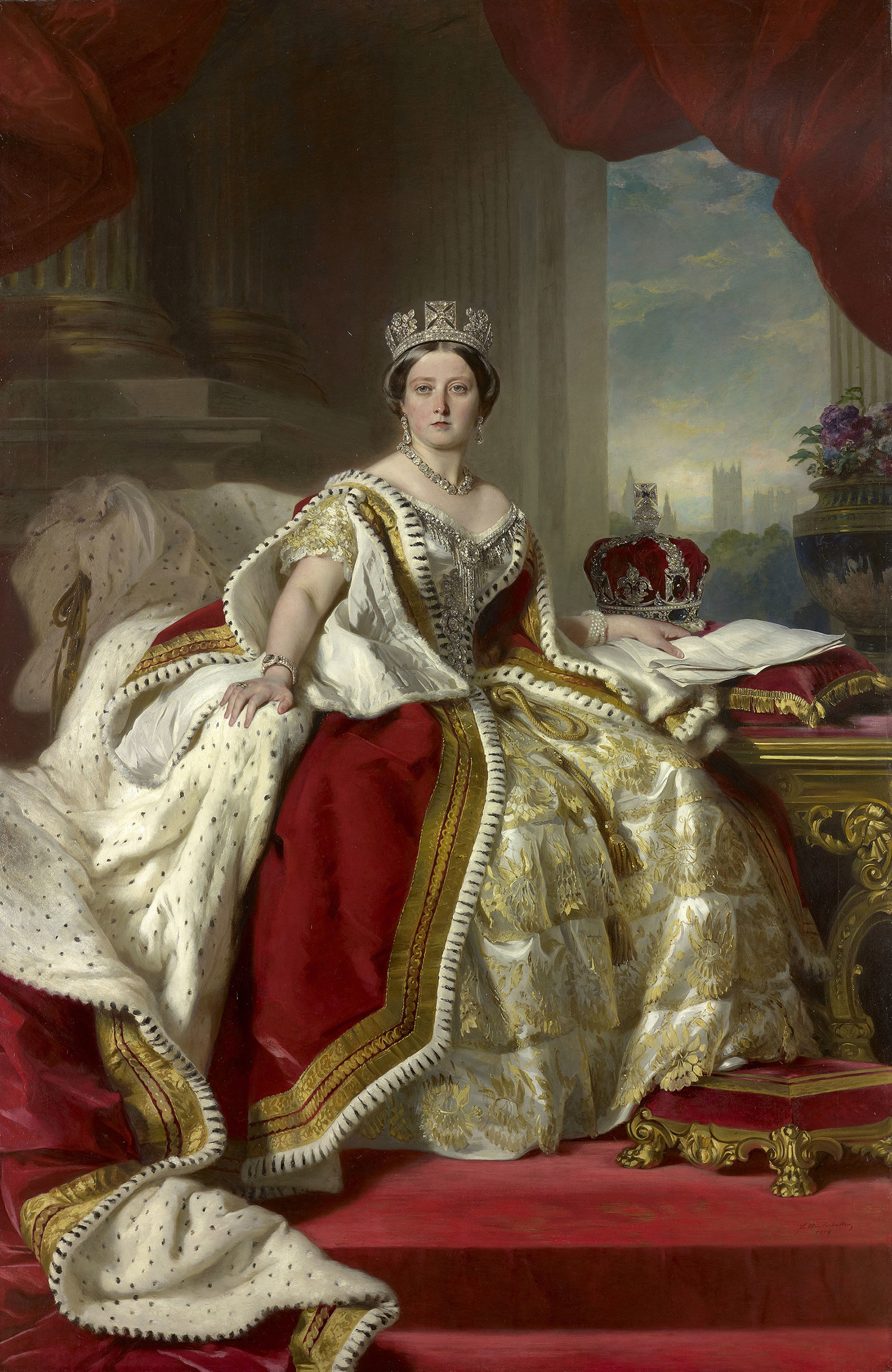
Queen Victoria herself, reigning for over six decades, became the era's enduring symbol, embodying its values of duty and morality. Key political figures included Prime Ministers William Gladstone and Benjamin Disraeli, whose rivalry shaped much of late Victorian politics. In science, Charles Darwin revolutionized biology with his theory of evolution in On the Origin of Species (1859), while Michael Faraday made foundational discoveries in electromagnetism. Literary giants like Charles Dickens, George Eliot, and the Brontë sisters captured the era's social realities and psychological depths. Industrial titans such as Isambard Kingdom Brunel spearheaded monumental engineering projects, including the Great Western Railway and the SS Great Eastern. Organizations like the Royal Society fostered scientific inquiry, while philanthropic societies, such as the Salvation Army (founded 1865), emerged to address social ills.
🌍 Cultural Impact & Influence
The cultural impact of the Victorian Era is immeasurable, permeating modern Western society. Its architectural styles, from Gothic Revival to Queen Anne, still define cityscapes. Victorian literature, with its intricate plots and moral explorations, laid groundwork for modern narrative techniques, influencing countless authors and the development of the novel as a dominant literary form. The era's emphasis on scientific progress and empirical observation fueled the development of fields like psychology and sociology. The very concept of childhood, as a distinct developmental stage requiring education and protection, was largely solidified during this period, impacting educational systems globally. Furthermore, Victorian attitudes towards gender roles, morality, and social propriety, though often criticized, continue to be debated and re-evaluated, demonstrating their persistent influence on contemporary social discourse.
⚡ Current State & Latest Developments
While the Victorian Era concluded in 1901, its influence remains palpable. Contemporary discussions on social inequality, the ethics of global trade, and the role of technology in society often echo Victorian-era debates. The ongoing fascination with Victorian art, literature, and history is evident in popular culture, with numerous films, television series (like Downton Abbey), and video games (such as Assassin's Creed Syndicate) set in or inspired by the period. The ongoing work of historical societies and museums dedicated to Victorian life ensures its continued study and relevance. Furthermore, the infrastructure built during this era, such as parts of the London Underground railway system, continues to function, a testament to Victorian engineering prowess. The ongoing re-evaluation of colonial histories also keeps the era's imperial legacy in sharp focus.
🤔 Controversies & Debates
The Victorian Era is rife with controversy, most notably concerning the morality and consequences of British imperialism. Critics point to the exploitation of resources and peoples in colonized territories, the brutal suppression of resistance, and the enduring legacy of colonialism and racism. The stark social inequalities within Britain itself—the vast chasm between the wealthy industrialists and the impoverished working class—are another major point of contention. Debates persist regarding the extent to which Victorian morality was genuine or merely a facade for hypocrisy, particularly concerning issues of sexuality, class, and gender. The impact of industrialization on public health and the environment, though not fully understood at the time, is now viewed critically. The very definition of the era is also debated, with some historians arguing for a 'long' Victorian era extending beyond 1901 to encompass the early Edwardian period.
🔮 Future Outlook & Predictions
The future outlook for understanding and engaging with the Victorian Era suggests a continued exploration of its complexities. As global power dynamics shift, renewed attention may be paid to the mechanisms of Victorian imperial control and its lasting geopolitical impacts. Advances in digital humanities and AI are likely to unlock new ways of analyzing Victorian texts, data, and social networks, potentially revealing previously unseen patterns. The ongoing dialogue around social justice and economic disparity will likely lead to further critical re-examinations of Victorian class structures and labor practices. Furthermore, as climate change becomes a more pressing global concern, historical perspectives on industrialization's environmental toll during the Victorian era may offer valuable lessons, albeit cautionary ones. The enduring appeal of Victorian aesthetics and narratives suggests a persistent cultural resonance for decades to come.
💡 Practical Applications
The Victorian Era's innovations and societal structures have left a tangible legacy in practical applications. The principles of mass production pioneered in Victorian factories form the bedrock of modern manufacturing. The development of the postal service and public transportation systems, like the London Underground, established models for urban infrastructure worldwide. Victorian advancements in sanitation and public health, though rudimentary by today's standards, laid the groundwork for modern public health initiatives, significantly reducing mortality rates from diseases like cholera. The legal and parliamentary reforms of the era influen
Key Facts
- Category
- history
- Type
- topic