
Contents
- 🏥 Introduction to Allergies
- 📍 Causes and Triggers
- 📊 Prevalence and Statistics
- 👥 Who's at Risk
- 💊 Treatment and Management
- 🚨 Anaphylaxis and Emergency Response
- 🤝 Comparison with Similar Conditions
- 📝 Practical Tips for Allergy Sufferers
- 📊 Cost and Insurance Coverage
- 👍 What People Say
- 📞 Getting Started with Allergy Care
- Frequently Asked Questions
- Related Topics
Overview
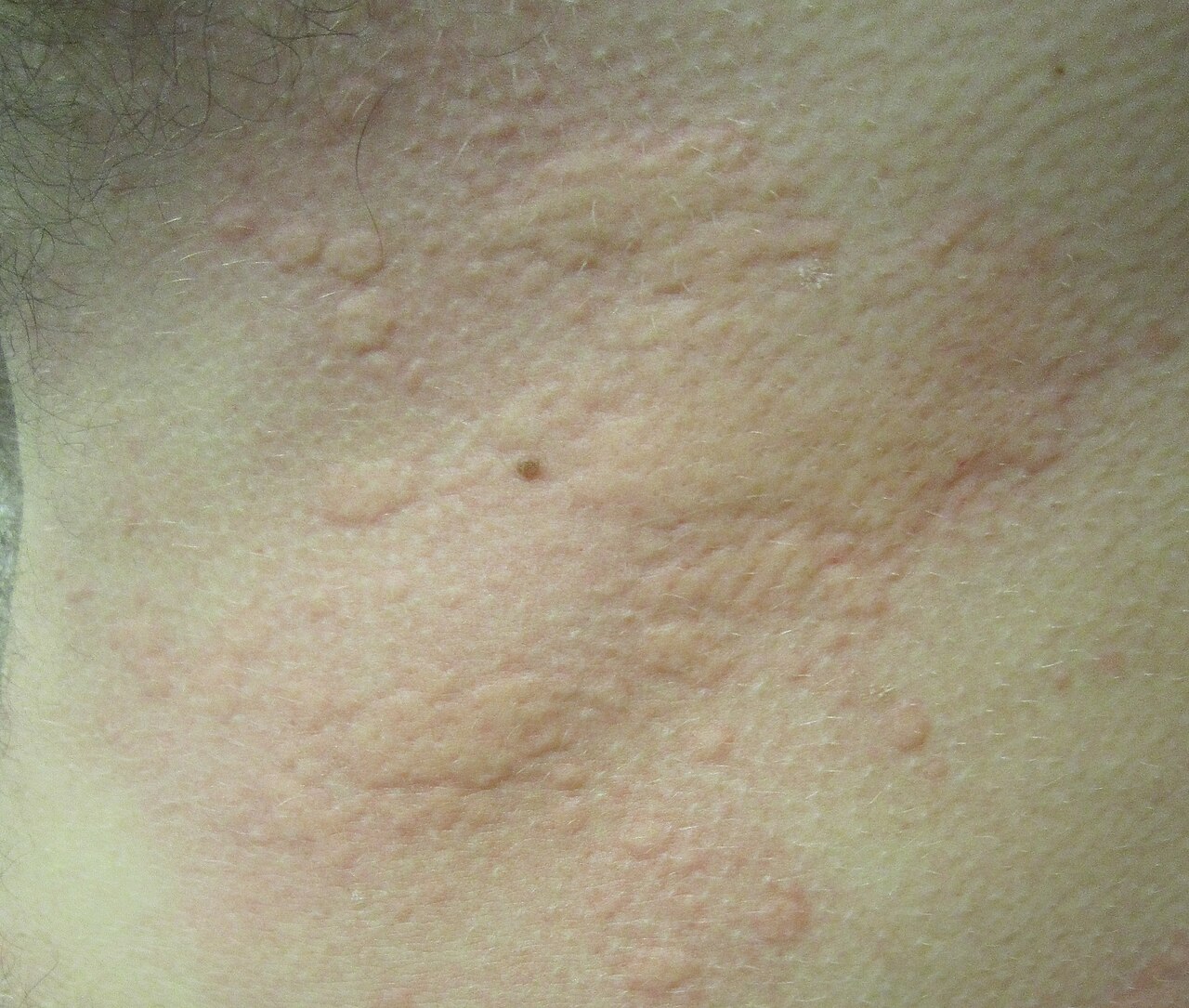
Allergies are an often misunderstood and underdiagnosed health issue, affecting millions of people worldwide. According to the Allergy and Asthma Foundation of America, an estimated 50 million people in the United States alone suffer from some type of allergic disease. Allergic reactions occur when the body's immune system mistakenly identifies an ordinarily harmless Allergen as a threat, triggering a range of symptoms from mild to severe. For example, people with Hay Fever may experience red eyes, an itchy rash, and sneezing, while those with Food Allergies may face life-threatening reactions. Understanding the causes and triggers of allergies is crucial for effective management and treatment, as discussed in the Immunology field.
📍 Causes and Triggers
The causes and triggers of allergies are complex and multifaceted. While some people may be born with a genetic predisposition to develop allergies, environmental factors such as Air Pollution and Climate Change can also play a significant role. Common allergens include Pollen, Dust Mites, Mold, and certain foods like Peanuts and Tree Nuts. Additionally, some people may experience allergic reactions to Insect Stings or Latex. To better understand the causes and triggers of allergies, it's essential to consult with a healthcare professional, such as an Allergist or Immunologist.
📊 Prevalence and Statistics
The prevalence and statistics surrounding allergies are staggering. According to the Centers for Disease Control and Prevention, food allergies alone affect approximately 1 in 10 children in the United States. Furthermore, the economic burden of allergies is significant, with estimated annual costs exceeding $18 billion. The World Health Organization recognizes allergies as a major public health concern, and research is ongoing to develop more effective treatments and prevention strategies. For instance, the Allergy Vaccine is being explored as a potential solution. People with allergies can find support and resources through organizations like the Food Allergy Research & Education (FARE) foundation.
👥 Who's at Risk
So, who's at risk of developing allergies? While anyone can develop an allergy, certain groups are more susceptible. These include individuals with a family history of allergies, young children, and people with pre-existing medical conditions like Eczema or Asthma. Additionally, people living in areas with high levels of Air Pollution or Climate Change may be more likely to develop allergies. It's essential to consult with a healthcare professional if you suspect you or a loved one may be at risk. They can provide guidance on Allergy Testing and Allergy Prevention strategies.
💊 Treatment and Management
Fortunately, there are various treatment and management options available for people with allergies. These range from over-the-counter medications like Antihistamines to prescription medications like Corticosteroids. In severe cases, Immunotherapy may be recommended. It's crucial to work with a healthcare professional to develop a personalized treatment plan, as discussed in the Allergy Treatment guide. This may involve Allergy Shots, Sublingual Immunotherapy, or other forms of treatment. People with allergies can also find support through online communities like the Allergy Support Group.
🚨 Anaphylaxis and Emergency Response
Anaphylaxis is a life-threatening allergic reaction that requires immediate medical attention. Symptoms can include Shortness of Breath, Rapid Heartbeat, and Swelling of the face, lips, or tongue. If you or someone you know is experiencing anaphylaxis, call emergency services immediately. It's also essential to carry an EpiPen or other emergency medication, as prescribed by a healthcare professional. The Anaphylaxis Treatment guide provides more information on how to respond to an emergency situation.
🤝 Comparison with Similar Conditions
Allergies can be compared to other conditions like Sensitivity and Intolerance. While these terms are often used interchangeably, they have distinct meanings. Sensitivity refers to a non-allergic reaction, while intolerance refers to a difficulty digesting certain substances. Understanding the differences between these conditions is vital for accurate diagnosis and treatment. For example, people with Lactose Intolerance may experience similar symptoms to those with a Milk Allergy, but the underlying causes are different. The Food Intolerance guide provides more information on this topic.
📝 Practical Tips for Allergy Sufferers
If you're living with allergies, there are several practical tips to help you manage your condition. These include avoiding known allergens, reading food labels carefully, and carrying emergency medication. It's also essential to stay informed about the latest research and developments in the field of Allergy Research. For instance, the Allergy Vaccine is being explored as a potential solution. Additionally, people with allergies can find support and resources through organizations like the Allergy Awareness organization.
📊 Cost and Insurance Coverage
The cost and insurance coverage for allergy treatment can vary widely depending on the individual's circumstances. In general, most health insurance plans cover some or all of the costs associated with allergy testing and treatment. However, it's essential to check with your insurance provider to understand what's covered and what's not. The Health Insurance guide provides more information on this topic. Additionally, people with allergies can explore financial assistance programs like the Patient Assistance Program.
👍 What People Say
So, what do people say about living with allergies? Many individuals report feeling frustrated and isolated by their condition, but also grateful for the support of loved ones and healthcare professionals. By sharing their stories and experiences, people with allergies can help raise awareness and promote understanding. For example, the Allergy Blog features personal stories and experiences from people living with allergies. The Allergy Community is also a great resource for people looking to connect with others who share similar experiences.
📞 Getting Started with Allergy Care
If you're concerned about allergies or suspect you may be at risk, it's essential to take action. Start by consulting with a healthcare professional, such as an Allergist or Primary Care Physician. They can provide guidance on Allergy Testing and develop a personalized treatment plan. You can also find more information and resources through organizations like the Allergy and Asthma Foundation of America. Don't hesitate to reach out – taking control of your health is the first step towards a happier, healthier life.
Key Facts
- Year
- 2022
- Origin
- Ancient Greece, with the term 'allergy' coined by Clemens von Pirquet in 1906
- Category
- Health and Medicine
- Type
- Medical Condition
Frequently Asked Questions
What is an allergy?
An allergy is an exaggerated immune response where the body mistakenly identifies an ordinarily harmless allergen as a threat. This can lead to a range of symptoms, from mild to severe, including red eyes, an itchy rash, sneezing, coughing, and shortness of breath. Allergies can be caused by various factors, including genetics, environmental factors, and lifestyle choices. For example, people with Hay Fever may experience symptoms during Pollen season. It's essential to consult with a healthcare professional, such as an Allergist, to determine the best course of treatment.
What are common allergens?
Common allergens include Pollen, Dust Mites, Mold, and certain foods like Peanuts and Tree Nuts. Additionally, some people may experience allergic reactions to Insect Stings or Latex. It's essential to identify and avoid known allergens to prevent allergic reactions. The Allergy Prevention guide provides more information on this topic. People with allergies can also find support and resources through organizations like the Food Allergy Research & Education (FARE) foundation.
How can I manage my allergies?
Managing allergies requires a combination of avoidance, medication, and lifestyle changes. It's essential to work with a healthcare professional to develop a personalized treatment plan, which may include Allergy Testing, Immunotherapy, and emergency medication like an EpiPen. Additionally, people with allergies can find support and resources through online communities like the Allergy Support Group. The Allergy Treatment guide provides more information on this topic.
What is anaphylaxis?
Anaphylaxis is a life-threatening allergic reaction that requires immediate medical attention. Symptoms can include Shortness of Breath, Rapid Heartbeat, and Swelling of the face, lips, or tongue. If you or someone you know is experiencing anaphylaxis, call emergency services immediately. It's also essential to carry an EpiPen or other emergency medication, as prescribed by a healthcare professional. The Anaphylaxis Treatment guide provides more information on how to respond to an emergency situation.
Can allergies be cured?
While there is no cure for allergies, there are various treatment and management options available to help alleviate symptoms and prevent reactions. These include Immunotherapy, Allergy Shots, and Sublingual Immunotherapy. Additionally, people with allergies can find support and resources through organizations like the Allergy and Asthma Foundation of America. The Allergy Research guide provides more information on the latest developments in the field.
How can I prevent allergic reactions?
Preventing allergic reactions requires a combination of avoidance, education, and preparedness. It's essential to identify and avoid known allergens, read food labels carefully, and carry emergency medication. Additionally, people with allergies can find support and resources through online communities like the Allergy Support Group. The Allergy Prevention guide provides more information on this topic. People with allergies can also explore financial assistance programs like the Patient Assistance Program.
What is the difference between an allergy and intolerance?
An allergy is an exaggerated immune response, while an intolerance refers to a difficulty digesting certain substances. While the terms are often used interchangeably, they have distinct meanings. Understanding the differences between these conditions is vital for accurate diagnosis and treatment. For example, people with Lactose Intolerance may experience similar symptoms to those with a Milk Allergy, but the underlying causes are different. The Food Intolerance guide provides more information on this topic.