
Contents
Overview
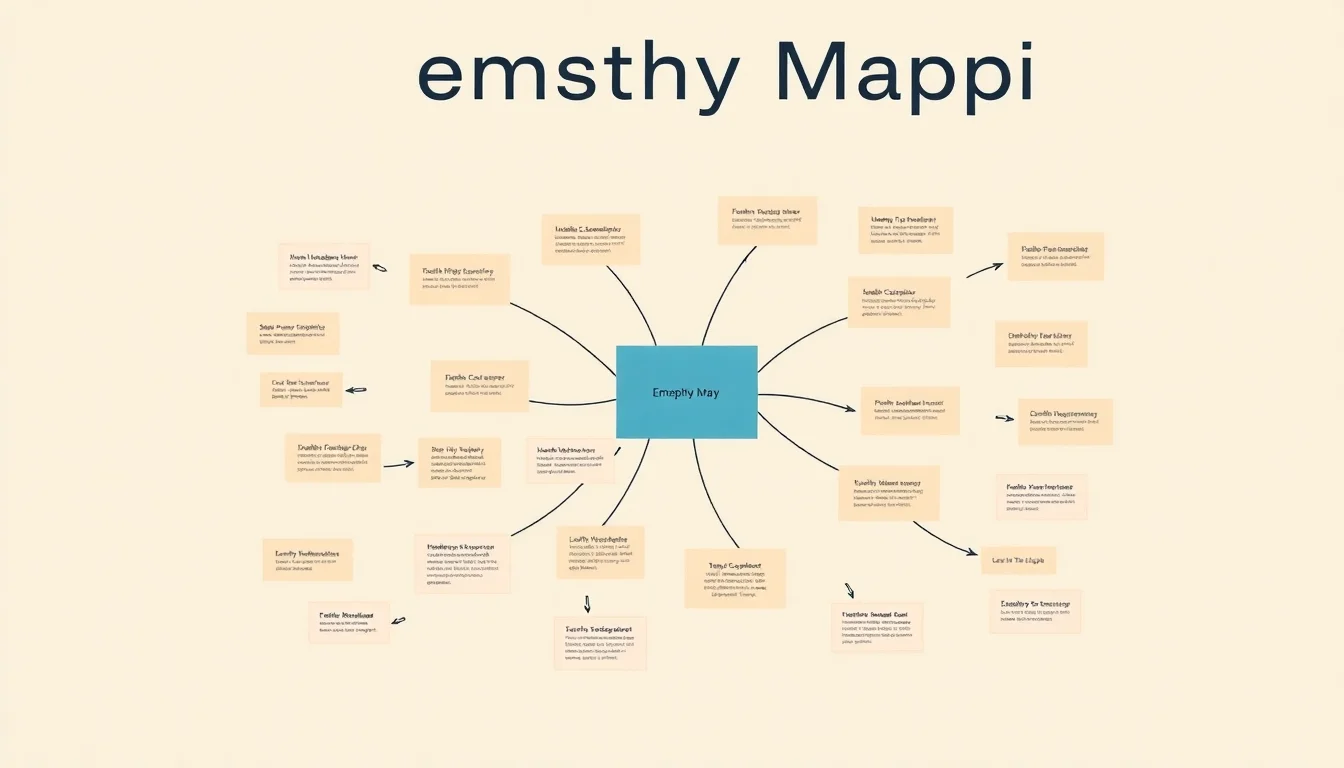
📚 Overview of Empathy Mapping: Empathy mapping is a collaborative visualization technique used in Design Thinking and User Experience design to understand users' needs, feelings, and motivations. It helps teams put themselves in the users' shoes, fostering deeper insights into their experiences. Typically, an empathy map is divided into four quadrants: 'Says', 'Thinks', 'Does', and 'Feels'. This method is particularly useful for product teams, marketers, and UX researchers aiming to create user-centered solutions. By capturing qualitative data about users, teams can align their strategies with actual user experiences, ultimately leading to better products and services.
🛠️ Tools & Resources
🛠️ Tools & Resources: There are several tools available for creating empathy maps, ranging from physical materials like sticky notes and whiteboards to digital platforms like Miro and Lucidspark. These tools allow for real-time collaboration, making it easier for remote teams to engage in the empathy mapping process. Additionally, resources such as the Design Thinking Toolkit provide templates and guides to streamline the mapping process. For those looking to deepen their understanding, books like This is Service Design Doing offer practical insights and case studies on empathy mapping and its applications.
📍 Location & Access
📍 Location & Access: Empathy mapping can be conducted in various settings, from corporate offices to co-working spaces, or even remotely via online collaboration tools. There are no specific locations dedicated solely to empathy mapping, as it is a flexible practice that can be integrated into existing design and research workflows. Many design agencies and UX consultancies offer workshops on empathy mapping, which can be found through platforms like Eventbrite or local design meetups. Check your local design community for upcoming events or workshops.
💰 Pricing & Plans
💰 Pricing & Plans: The cost of empathy mapping workshops can vary significantly. Some agencies charge hourly rates ranging from $100 to $300, while others may offer package deals for full-day workshops. Online tools like Miro and Lucidspark typically operate on subscription models, with pricing starting around $8 per user per month for basic plans. For those on a budget, consider free tools like Google Jamboard or even pen and paper for initial mapping sessions. Investing in a professional workshop can yield valuable insights that justify the expense.
⭐ What People Say
⭐ What People Say: Feedback on empathy mapping is overwhelmingly positive, with many practitioners highlighting its effectiveness in aligning team perspectives and enhancing user understanding. Users often report that empathy mapping sessions lead to breakthrough ideas and a stronger focus on user needs. However, some critics argue that without proper facilitation, these sessions can devolve into unproductive discussions. Overall, the technique is well-regarded in the UX Community, with a Vibe Score of 85 reflecting its cultural energy and relevance in design practices.
🔍 Comparison with Similar Techniques
🔍 Comparison with Similar Techniques: Empathy mapping is often compared to techniques like Personas and User Journey Mapping. While personas provide detailed profiles of user archetypes, empathy maps focus on the emotional and cognitive aspects of user experiences. User journey maps, on the other hand, outline the steps users take while interacting with a product or service. Each technique serves a unique purpose, but empathy mapping stands out for its emphasis on understanding users' feelings and motivations, making it a complementary tool in the design toolkit.
🧠 Practical Tips for Effective Mapping
🧠 Practical Tips for Effective Mapping: To maximize the effectiveness of empathy mapping, involve a diverse group of stakeholders in the process, including designers, marketers, and even users themselves. Start with qualitative research, such as user interviews or surveys, to gather insights before mapping. Keep the sessions focused and time-bound to encourage productive discussions. Use visual aids and sticky notes to facilitate brainstorming and ensure that all voices are heard. Finally, regularly revisit and update the empathy map as new insights emerge, keeping it a living document that evolves with user needs.
📞 Getting Started with Empathy Mapping
📞 Getting Started with Empathy Mapping: To kick off your empathy mapping journey, gather your team and select a specific user segment to focus on. Begin by conducting user research through interviews or surveys to collect qualitative data. Next, choose a tool or medium for your mapping session, whether it’s a digital platform like Miro or a physical space with sticky notes. Set a clear agenda and allocate time for each quadrant of the empathy map. After the session, synthesize the findings into actionable insights and share them with your broader team to inform product development.
Key Facts
- Year
- 2010
- Origin
- Design Thinking Movement
- Category
- Design Thinking / User Experience
- Type
- Concept
Frequently Asked Questions
What is the purpose of empathy mapping?
Empathy mapping aims to help teams understand users' thoughts, feelings, and behaviors by visualizing their experiences. This technique fosters a user-centered approach to design, ensuring that products and services align with actual user needs. By capturing qualitative insights, teams can make informed decisions that enhance user satisfaction.
Who should participate in empathy mapping sessions?
Empathy mapping sessions should include a diverse group of participants, such as designers, product managers, marketers, and even end-users. This diversity ensures that multiple perspectives are considered, leading to richer insights and a more comprehensive understanding of user experiences.
How long does an empathy mapping session typically last?
An empathy mapping session can vary in length depending on the complexity of the topic and the number of participants. Generally, sessions last between 1 to 3 hours. It's essential to keep the session focused and time-bound to maintain engagement and productivity.
Can empathy mapping be done remotely?
Yes, empathy mapping can be effectively conducted remotely using digital collaboration tools like Miro, Lucidspark, or Google Jamboard. These platforms allow teams to brainstorm and visualize insights in real-time, making it easy for remote participants to contribute.
What are some common challenges in empathy mapping?
Common challenges in empathy mapping include lack of engagement from participants, difficulty in synthesizing diverse insights, and the risk of bias if the group lacks diversity. To mitigate these issues, it's crucial to have a skilled facilitator and to establish clear objectives for the session.