
Contents
Overview
Launched by Fitbit in August 2021, the Charge 5 arrived with considerable fanfare, positioning itself as a significant upgrade over its predecessor, the Charge 4. It boasted a vibrant AMOLED color display, a sleeker, buttonless design, and, crucially, integrated new sensors like an electrodermal activity (EDA) sensor for stress management and a electrocardiogram (ECG) app for heart rhythm assessment. This was Fitbit's ambitious play to move beyond basic step counting and offer a more holistic view of user well-being, directly challenging rivals like the Apple Watch Series 7 and Garmin Vivosmart 5. The device aimed to democratize advanced health metrics, making them accessible to a broader audience.
The Charge 5’s hardware upgrades were undeniable, featuring a brighter screen and a more premium feel. However, the real story was the software integration and the promise of deeper health insights. The EDA sensor, a key differentiator, was designed to track the body's response to stress, offering guided breathing sessions and personalized insights. The ECG app, FDA-cleared, allowed users to take on-demand readings for potential signs of atrial fibrillation. These features, coupled with Fitbit's established sleep tracking and Active Zone Minutes, painted a picture of a device striving for medical-grade accuracy in a consumer-friendly package.
Despite the technological leaps, the Charge 5 wasn't without its controversies. The rollout of certain features, particularly the ECG app, faced delays in some regions, leading to user frustration. Furthermore, the shift to a subscription-based model for many advanced metrics, a strategy championed by parent company Google after its acquisition of Fitbit, drew criticism for potentially limiting the device's value proposition for non-subscribers. The device’s reliance on the Fitbit Premium subscription service became a central point of debate, raising questions about the long-term cost and accessibility of its most compelling health features.
✨ Design & Hardware
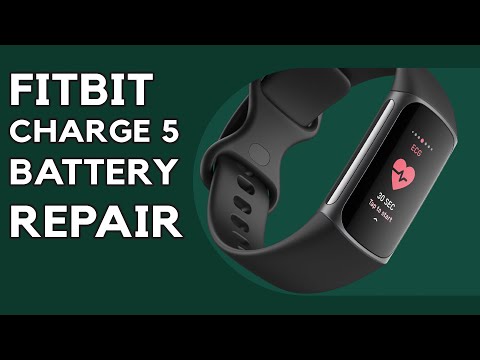
The Charge 5 represented a significant design evolution for Fitbit, moving away from the physical button of the Charge 4 to a more integrated, streamlined aesthetic. Its casing, crafted from aluminum, stainless steel, and glass, offered a more premium feel than its predecessors. The introduction of the EDA sensor was a direct response to growing consumer interest in mental wellness and stress management, a trend also seen in offerings from Whoop and Oura Ring. The device's display, a first for the Charge line, was a bright, full-color AMOLED screen, a welcome change from the monochrome displays of earlier models, enhancing readability and user experience. This hardware refresh aimed to position Fitbit not just as a fitness tracker, but as a comprehensive personal health device.
🩺 Health & Fitness Features
At its core, the Charge 5 is a fitness and health tracker. It monitors the usual suspects: steps, distance, calories burned, heart rate, and sleep stages. However, its standout features are the EDA scan and the ECG app. The EDA sensor measures the body's micro-sweat responses, providing a daily readiness score and highlighting stress triggers, with guided breathing exercises available directly on the device. The ECG app allows users to take a 30-second electrocardiogram to check for signs of atrial fibrillation, a potentially serious heart condition. These metrics feed into the broader Fitbit ecosystem, offering personalized insights and recommendations, particularly when paired with the Fitbit Premium subscription, which unlocks deeper analysis and guided programs.
🏆 Reception & Criticisms
Upon its release, the Fitbit Charge 5 garnered generally positive reviews, with many praising its design, vibrant display, and the addition of advanced health sensors like the EDA and ECG. Critics lauded its improved user interface and the accuracy of its core tracking features. However, the device wasn't without its detractors. The ECG app’s rollout was initially slower than anticipated in some markets, and the reliance on Fitbit Premium for advanced insights proved divisive. While the device itself was seen as a strong hardware iteration, the subscription model's impact on its overall value was a recurring theme in reviews, with some arguing it limited the device's utility for casual users. Despite this, it solidified Fitbit's position in the competitive wearable market against players like Samsung Galaxy Watch 4 and Amazfit Band 7.
📈 Legacy & Evolution
The Charge 5’s legacy is intertwined with Fitbit's strategic shift under Google's ownership, emphasizing deeper health integration and subscription services. It represented a critical step in Fitbit's evolution from a simple activity tracker to a more sophisticated health monitoring platform. While the specific hardware may be superseded, the integration of EDA and ECG capabilities has set a precedent for future wearables, influencing the design and feature sets of subsequent devices from Fitbit and its competitors. The debate over hardware versus subscription value continues to shape the wearables industry, with the Charge 5 serving as an early, significant case study in this ongoing evolution.
Key Facts
- Year
- 2021
- Origin
- USA
- Category
- videos
- Type
- wearable-device
Frequently Asked Questions
Does the Fitbit Charge 5 require a subscription?
While the Charge 5 can be used for basic tracking (steps, heart rate, sleep) without a subscription, many of its advanced features, including detailed health reports, personalized insights, and guided programs, require a Fitbit Premium subscription.
Is the ECG app on the Charge 5 accurate?
The ECG app on the Charge 5 is FDA-cleared and designed to detect signs of atrial fibrillation (AFib). However, it is not a diagnostic tool and should not replace traditional medical evaluations. Users are advised to consult a healthcare professional if they have concerns about their heart rhythm.
Can I use the Charge 5 to track my blood oxygen levels?
No, the Fitbit Charge 5 does not have a SpO2 sensor to track blood oxygen levels. This feature is typically found on higher-end Fitbit models like the Sense or Versa series.
How does the EDA sensor work?
The Electrodermal Activity (EDA) sensor measures tiny electrical changes in your skin caused by sweat. These changes can indicate your body's stress response. The Charge 5 uses this data to provide a stress management score and guide you through relaxation exercises.