
Contents
Overview
The land that now constitutes Glacier National Park was shaped by millennia of glacial activity, leaving behind a dramatic topography of jagged peaks, U-shaped valleys, and pristine alpine lakes. Indigenous peoples, including the Blackfeet and Flathead tribes, inhabited this region for centuries, developing deep cultural and spiritual connections to the land. European exploration began in earnest in the 19th century, with figures like George Byron Hinton advocating for its preservation. The park's official establishment on May 11, 1910, was a culmination of efforts by conservationists and railroad interests, notably the Great Northern Railway, which saw the park as a major tourist draw. The railway company's president, Louis W. Hill, was instrumental in developing infrastructure, including the iconic Many Glacier Hotel and Going-to-the-Sun Road, to facilitate visitor access and promote the park's grandeur.
⚙️ How It Works
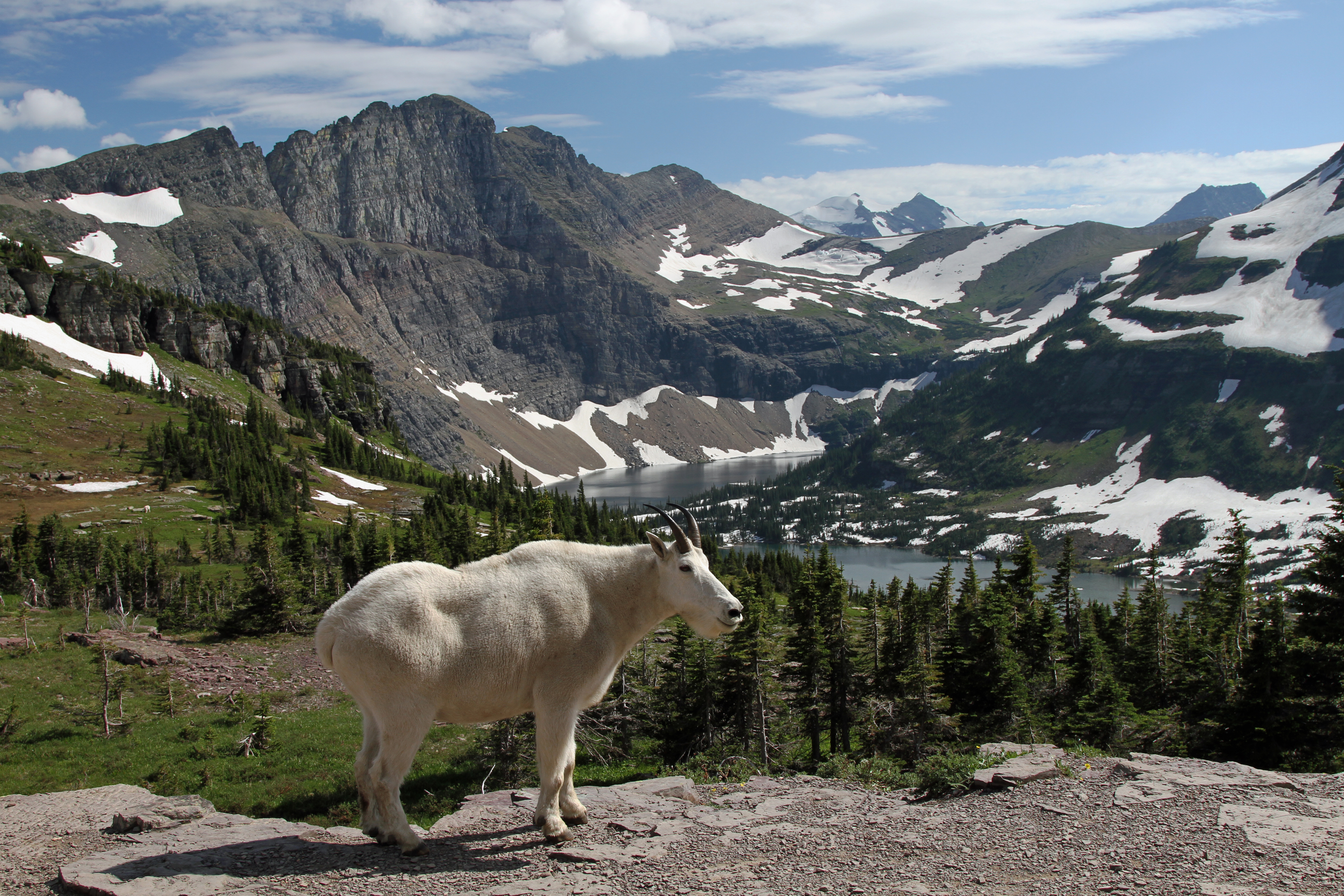
Glacier National Park operates as a complex ecosystem managed by the National Park Service (NPS). Its geological foundation is primarily Precambrian sedimentary rock, uplifted and sculpted by massive ice sheets during the Pleistocene Epoch. The park's hydrology is dominated by meltwater from its remaining glaciers and snowpack, feeding over 130 lakes and numerous rivers, including the headwaters of the Missouri River, Yukon River, and Columbia River. Biodiversity thrives across its varied elevations, from montane forests to alpine meadows, supporting a rich array of flora and fauna, including iconic species like grizzly bears, mountain goats, and westslope cutthroat trout. The park's management involves intricate balancing acts: managing wildlife populations, maintaining trails and infrastructure, and mitigating the impacts of invasive species and climate change.
📊 Key Facts & Numbers
Covering an impressive 1,013,322 acres (4,099.9770 km2), Glacier National Park is a significant protected area. It boasts over 130 named lakes, with Lake McDonald being the largest in the park. The park contains over 700 miles of hiking trails, ranging from accessible lakeside strolls to challenging backcountry expeditions. In 2023, the park welcomed approximately 3.08 million visitors, a figure that has seen a steady increase over the past decade, placing significant pressure on its resources. Historically, the park was home to around 150 glaciers; however, due to warming temperatures, this number has dwindled to an estimated 26 active glaciers as of 2023, with many projected to disappear entirely by 2030. The park's elevation ranges from 3,100 feet (945 m) at its lowest point to over 10,000 feet (3,048 m) at Mount Cleveland.
👥 Key People & Organizations
The establishment and ongoing stewardship of Glacier National Park involve a constellation of key individuals and organizations. Louis W. Hill, president of the Great Northern Railway, was a pivotal figure in its early development, championing its accessibility and infrastructure. George P. Griggs, a photographer and advocate, played a significant role in documenting and promoting the park's beauty in its formative years. The National Park Service (NPS) is the primary managing agency, responsible for conservation, visitor services, and resource management. The Blackfeet Nation continues to hold cultural and historical ties to the eastern portions of the park, and their input is increasingly sought in management decisions. Numerous conservation groups, such as the Glacier National Park Conservancy, also play a crucial role through fundraising and advocacy.
🌍 Cultural Impact & Influence
Glacier National Park has profoundly influenced American perceptions of wilderness and conservation. Its dramatic scenery has been immortalized in countless photographs, films, and literature, solidifying its status as an iconic American landscape. The park's designation as part of the Waterton-Glacier International Peace Park in 1932, the world's first, set a precedent for transboundary conservation efforts. The park's visual grandeur, particularly the vistas along the Going-to-the-Sun Road, has inspired generations of artists and photographers, including Ansel Adams and George P. Griggs. The park's ongoing struggle with glacial recession has also made it a potent symbol in the discourse surrounding climate change and its tangible impacts on natural environments.
⚡ Current State & Latest Developments
In recent years, Glacier National Park has grappled with escalating visitor numbers and the undeniable effects of a warming climate. The park implemented a vehicle reservation system for the Going-to-the-Sun Road corridor in 2021 and 2022, and a similar system is anticipated for future peak seasons to manage congestion. Scientific monitoring of the park's glaciers, conducted by institutions like the University of Montana, reveals an accelerating rate of melt, with projections suggesting the complete disappearance of most glaciers by 2030. This ecological shift is impacting water availability, vegetation patterns, and wildlife habitats. The park is also actively working to adapt its infrastructure and visitor management strategies to these evolving environmental conditions, including increased wildfire risk.
🤔 Controversies & Debates
The most significant controversy surrounding Glacier National Park centers on the rapid disappearance of its namesake glaciers. While the scientific consensus attributes this to global warming driven by human activity, debates persist regarding the pace of change and the efficacy of mitigation strategies. Some argue that the park's management should focus more on adaptation to a glacier-free future, while others advocate for more aggressive global action to slow climate change. Another ongoing tension involves balancing increased visitor access, driven by the park's popularity and the Great Northern Railway's historical promotion, with the need to protect fragile ecosystems. The role and rights of the Blackfeet Nation in co-managing the park's eastern territories also represent a complex and evolving area of discussion.
🔮 Future Outlook & Predictions
The future of Glacier National Park is inextricably linked to the trajectory of global climate change. Projections indicate that the park will likely be largely glacier-free within the next decade, fundamentally altering its iconic landscape and ecological dynamics. This will necessitate a significant shift in the park's identity and management focus, moving from a glacial wonderland to a testament to resilience and adaptation. The National Park Service is exploring strategies to preserve glacial ice through innovative methods, though the long-term viability of such approaches remains uncertain. Visitor management will likely become even more critical, with potential for further restrictions or new models of access to protect the remaining natural resources. The park's role as a symbol of climate change impacts is expected to grow, influencing conservation efforts worldwide.
💡 Practical Applications
While Glacier National Park is primarily a destination for recreation and ecological study, its existence and management offer insights into broader practical applications. The park serves as a living laboratory for climate change research, providing invaluable data on glacial recession, ecosystem shifts, and species adaptation that informs global scientific understanding. Its infrastructure, particularly the engineering marvel of the Going-to-the-Sun Road, offers lessons in sustainable road construction and maintenance in challenging alpine environments. The park's visitor management systems, such as the vehicle reservation system, provide models for other popular natural attractions facing overcrowdi
Key Facts
- Category
- nature
- Type
- topic