
Contents
Overview
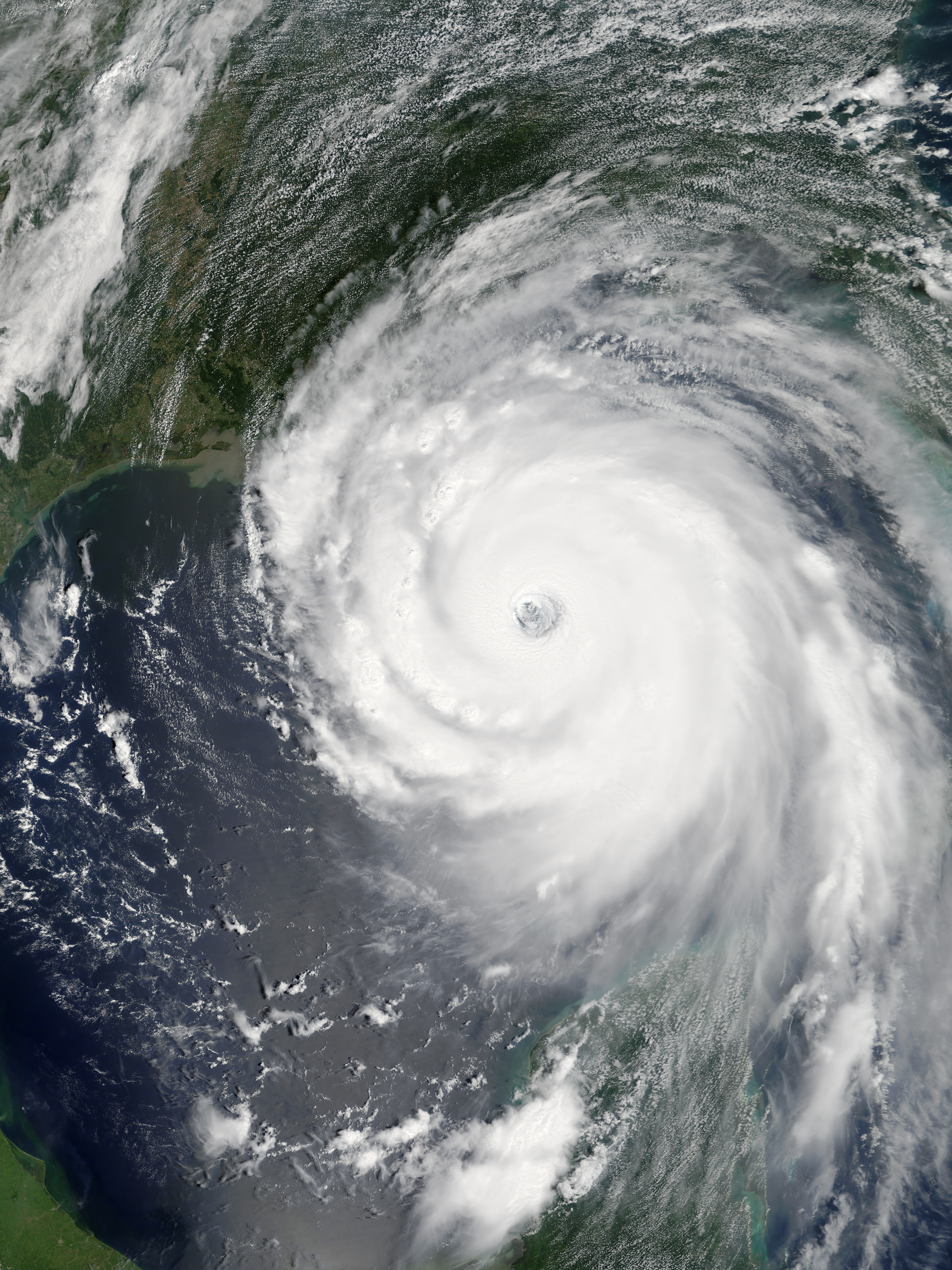
Hurricane Katrina formed on August 23, 2005, as a tropical depression over the Bahamas. It rapidly intensified over the warm waters of the Gulf of Mexico, reaching Category 5 status with sustained winds of 175 mph before weakening to a Category 3 at landfall. The storm made its initial landfall in Florida, then a second, more devastating landfall near Buras-Triumph, Louisiana, on August 29, 2005. The hurricane's immense power, coupled with engineering flaws in the levee system protecting New Orleans, led to catastrophic flooding, submerging approximately 80% of the city. The storm's path of destruction extended across Louisiana, Mississippi, and Alabama, leaving a trail of immense damage and loss of life that captivated the nation and the world, as documented by news outlets like CNN and encyclopedic sources such as Britannica.
⚙️ How It Worked
The meteorological history of Hurricane Katrina details its rapid intensification and powerful winds, reaching Category 5 status with sustained winds exceeding 170 mph over the Gulf of Mexico. Its landfall as a Category 3 hurricane brought a devastating storm surge, estimated to be between 10 to 14 feet in some areas, overwhelming the levee system. The National Weather Service (NWS) and the National Hurricane Center (NHC) provided forecasts, but the scale of the levee breaches and subsequent flooding in New Orleans, as detailed by the U.S. Army Corps of Engineers and reported by Wikipedia, proved catastrophic. The storm's impact was not limited to wind and surge; it also spawned numerous tornadoes across the southeastern United States, as noted by the NWS Mobile/Pensacola office.
🌍 Cultural Impact
The aftermath of Hurricane Katrina exposed profound failures in government preparedness and response at federal, state, and local levels. The Federal Emergency Management Agency (FEMA) faced widespread criticism for its slow and uncoordinated response, with key leaders like Michael D. Brown being scrutinized. Reports from the U.S. GAO and the George W. Bush Presidential Library highlight issues such as communication breakdowns, indecision, supply chain failures, and a lack of proactive planning, despite prior simulations like "Hurricane Pam." The criticism extended to political leaders, including New Orleans Mayor Ray Nagin and Louisiana Governor Kathleen Blanco, and President George W. Bush, whose administration's handling of the crisis was heavily debated, as covered by sources like Cato Institute and EBSCO Research.
🔮 Legacy & Future
Hurricane Katrina's legacy includes not only its immense economic and human toll but also significant reforms in emergency management. The disaster prompted a re-evaluation of national preparedness strategies, leading to improvements in inter-agency communication and coordination, as discussed in reports on lessons learned. The storm's economic impact was staggering, with damages exceeding $108 billion (unadjusted 2005 dollars) and affecting oil production and gas prices nationwide, according to LSU research. The long-term social effects, including mental and physical health impacts on survivors, particularly low-income parents in New Orleans, have been studied extensively, underscoring the need for ongoing support services, as noted in research from PMC and NBER.
Key Facts
- Year
- 2005
- Origin
- Gulf Coast of the United States
- Category
- history
- Type
- event
Frequently Asked Questions
What was the deadliest aspect of Hurricane Katrina?
While Hurricane Katrina caused widespread destruction, the deadliest aspect was the catastrophic flooding of New Orleans. Levee failures led to the inundation of approximately 80% of the city, resulting in a significant number of fatalities, many of which were due to drowning.
What was the economic cost of Hurricane Katrina?
Hurricane Katrina is the costliest natural disaster in U.S. history, with damages estimated at $125 billion. This figure does not include the broader economic fallout, such as job losses, interruption of industries like oil production and tourism, and the long-term costs of rebuilding and recovery.
Who was criticized for the response to Hurricane Katrina?
The government response to Hurricane Katrina faced widespread criticism at all levels. Key figures and agencies criticized include FEMA, its director Michael D. Brown, New Orleans Mayor Ray Nagin, Louisiana Governor Kathleen Blanco, and President George W. Bush's administration. Failures in communication, coordination, and preparedness were central to the criticism.
What lessons were learned from Hurricane Katrina?
Hurricane Katrina highlighted critical lessons for emergency management, including the importance of effective governance at all levels, robust communication and coordination systems between federal, state, and local agencies, and the need for proactive planning and preparedness. The disaster also underscored the vulnerability of low-income communities and the need for long-term support services for survivors.
What was the death toll from Hurricane Katrina?
The death toll from Hurricane Katrina is estimated to be around 1,392, though earlier reports varied. The National Hurricane Center's updated data in January 2023 reduced the total number from an estimated 1,833 to 1,392. The majority of these fatalities were in Louisiana.
References
- britannica.com — /event/Hurricane-Katrina
- weather.gov — /mob/katrina
- en.wikipedia.org — /wiki/Hurricane_Katrina
- georgewbushlibrary.gov — /research/topic-guides/hurricane-katrina
- cnn.com — /weather/hurricane-katrina-statistics-fast-facts
- nola.com — /news/hurricane/how-many-people-died-in-katrina-toll-reduced-17-years-on/article
- gao.gov — /products/gao-20-633r
- dosomething.org — /article/11-facts-about-hurricane-katrina