
Contents
Overview
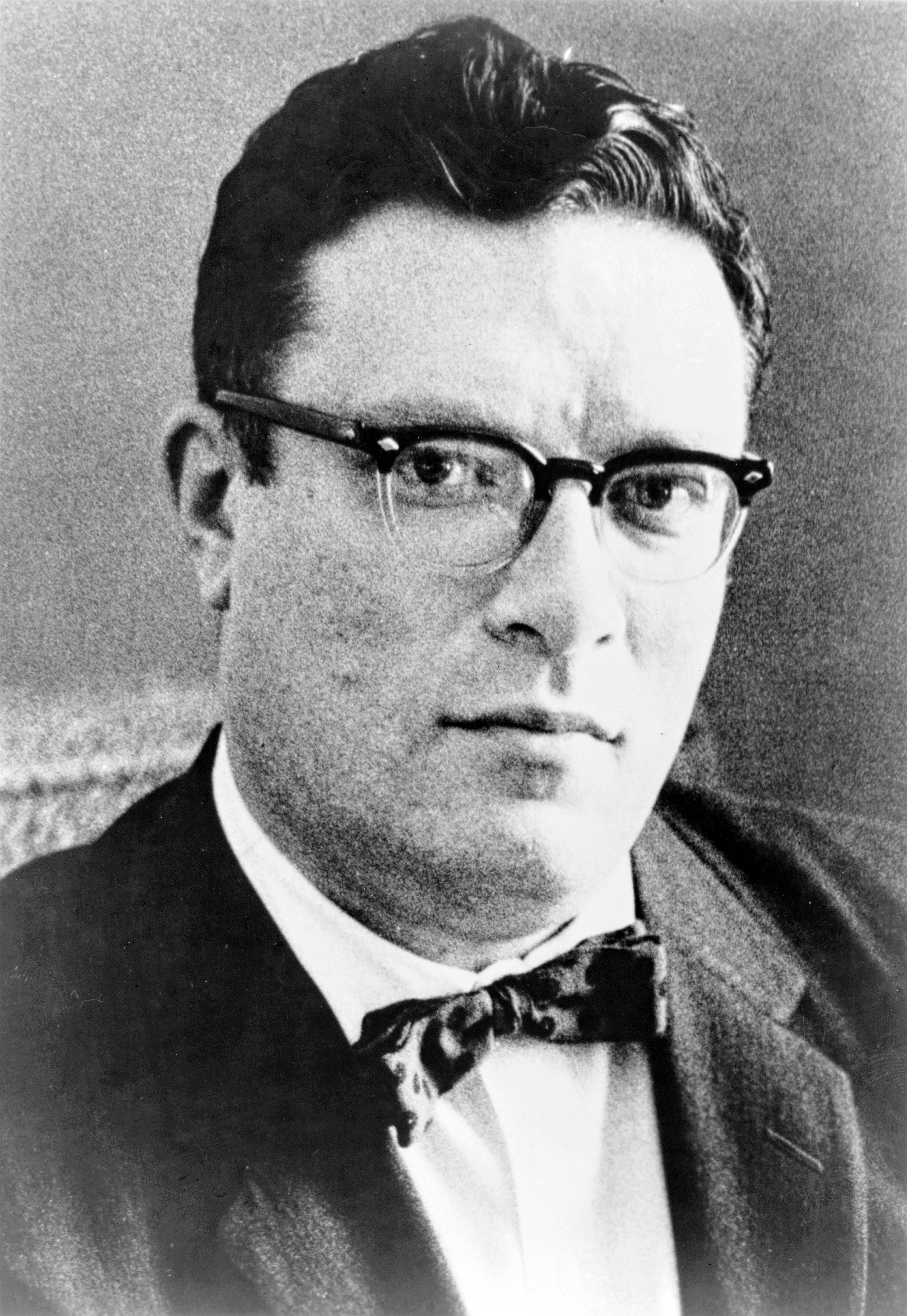
Isaac Asimov was born on January 2, 1920, in Petrovichi, Russia, to a Jewish family. His family immigrated to the United States when he was three years old and settled in Brooklyn, New York. Asimov's interest in science fiction began at a young age, and he was heavily influenced by authors such as H.G. Wells and Jules Verne. He attended the University of Columbia and later earned his Ph.D. in biochemistry from the University of California, Berkeley. Asimov's academic background in biochemistry is reflected in his writing, particularly in his Robot series, which explores the intersection of humanity and technology.
🤖 How His Work Changed Science Fiction
Asimov's most famous work is the Foundation series, which won the one-time Hugo Award for 'Best All-Time Series' in 1966. The series is a seminal work of science fiction that explores the decline and fall of a galactic empire, drawing inspiration from Edward Gibbon's The History of the Decline and Fall of the Roman Empire. Asimov's other major series include the Galactic Empire series and the Robot series, which include major works such as The Caves of Steel and The Naked Sun. These series have been widely acclaimed for their unique blend of science, technology, and humanity, and have influenced authors such as Ray Bradbury and Ursula K. Le Guin.
📊 Cultural Impact and Legacy
Asimov's writing has had a profound impact on the science fiction community, and his work continues to inspire new generations of writers and scientists. His popular science books, such as The Intelligent Man's Guide to Science, have made complex scientific concepts accessible to a broad audience, and his science fiction novels have explored the possibilities of advanced technologies, such as artificial intelligence and robotics. Asimov's legacy can be seen in the work of authors such as China Miéville and Cory Doctorow, who continue to push the boundaries of the science fiction genre.
🔮 Influence on Modern Science and Technology
Asimov's influence extends beyond the science fiction community, and his work has had a significant impact on modern science and technology. His concept of the 'Three Laws of Robotics' has become a widely accepted principle in the field of robotics, and his writing has inspired scientists and engineers to explore the possibilities of advanced technologies. Asimov's legacy continues to inspire new generations of scientists and writers, and his work remains a testament to the power of science fiction to shape our understanding of the world and our place in it. Asimov's work has also been recognized by institutions such as the National Academy of Sciences and the American Association for the Advancement of Science.
Key Facts
- Year
- 1920-1992
- Origin
- Petrovichi, Russia
- Category
- science
- Type
- person
Frequently Asked Questions
What is Isaac Asimov's most famous work?
Asimov's most famous work is the Foundation series, which won the one-time Hugo Award for 'Best All-Time Series' in 1966. The series is a seminal work of science fiction that explores the decline and fall of a galactic empire, drawing inspiration from Edward Gibbon's The History of the Decline and Fall of the Roman Empire. Asimov's work has been widely acclaimed for its unique blend of science, technology, and humanity, and has influenced authors such as Ray Bradbury and Ursula K. Le Guin.
What is the significance of Asimov's Three Laws of Robotics?
Asimov's Three Laws of Robotics are a set of principles that have become a widely accepted principle in the field of robotics. The laws state that a robot must not harm a human being, must obey the orders of human beings, and must protect its own existence. Asimov's concept of the Three Laws has had a significant impact on the development of robotics and artificial intelligence, and continues to influence scientists and engineers today. Asimov's work has also been recognized by institutions such as the National Academy of Sciences and the American Association for the Advancement of Science.
How has Asimov's work influenced modern science and technology?
Asimov's work has had a significant impact on modern science and technology, particularly in the fields of robotics and artificial intelligence. His concept of the Three Laws of Robotics has become a widely accepted principle in the field of robotics, and his writing has inspired scientists and engineers to explore the possibilities of advanced technologies. Asimov's legacy continues to inspire new generations of scientists and writers, and his work remains a testament to the power of science fiction to shape our understanding of the world and our place in it. Asimov's work has also been recognized by institutions such as the National Academy of Sciences and the American Association for the Advancement of Science.
What is the cultural significance of Asimov's work?
Asimov's work has had a significant cultural impact, particularly in the science fiction community. His writing has inspired new generations of writers and scientists, and his work continues to be widely read and studied today. Asimov's legacy can be seen in the work of authors such as China Miéville and Cory Doctorow, who continue to push the boundaries of the science fiction genre. Asimov's work has also been recognized by institutions such as the National Academy of Sciences and the American Association for the Advancement of Science.
How has Asimov's work been recognized and awarded?
Asimov's work has been widely recognized and awarded, including the Hugo Award for 'Best All-Time Series' for the Foundation series. Asimov's work has also been recognized by institutions such as the National Academy of Sciences and the American Association for the Advancement of Science. Asimov's legacy continues to inspire new generations of scientists and writers, and his work remains a testament to the power of science fiction to shape our understanding of the world and our place in it.