
Contents
Overview
Single cell genomics is a cutting-edge field that has emerged at the intersection of genomics, transcriptomics, and bioinformatics. This field is built on the foundation of next-generation sequencing technologies, such as those developed by Illumina, and has been further accelerated by advances in microfluidics, as seen in the work of researchers like Stephen Quake. By analyzing individual cells, scientists can identify rare cell populations, such as those found in cancer, and gain insights into the complex interactions between cells in tissues, a concept that has been explored in the context of the Human Cell Atlas project, which aims to create a comprehensive map of all human cell types, much like the efforts of the Human Genome Project, led by scientists like Francis Collins.
📊 Analytical Techniques in Single Cell Genomics
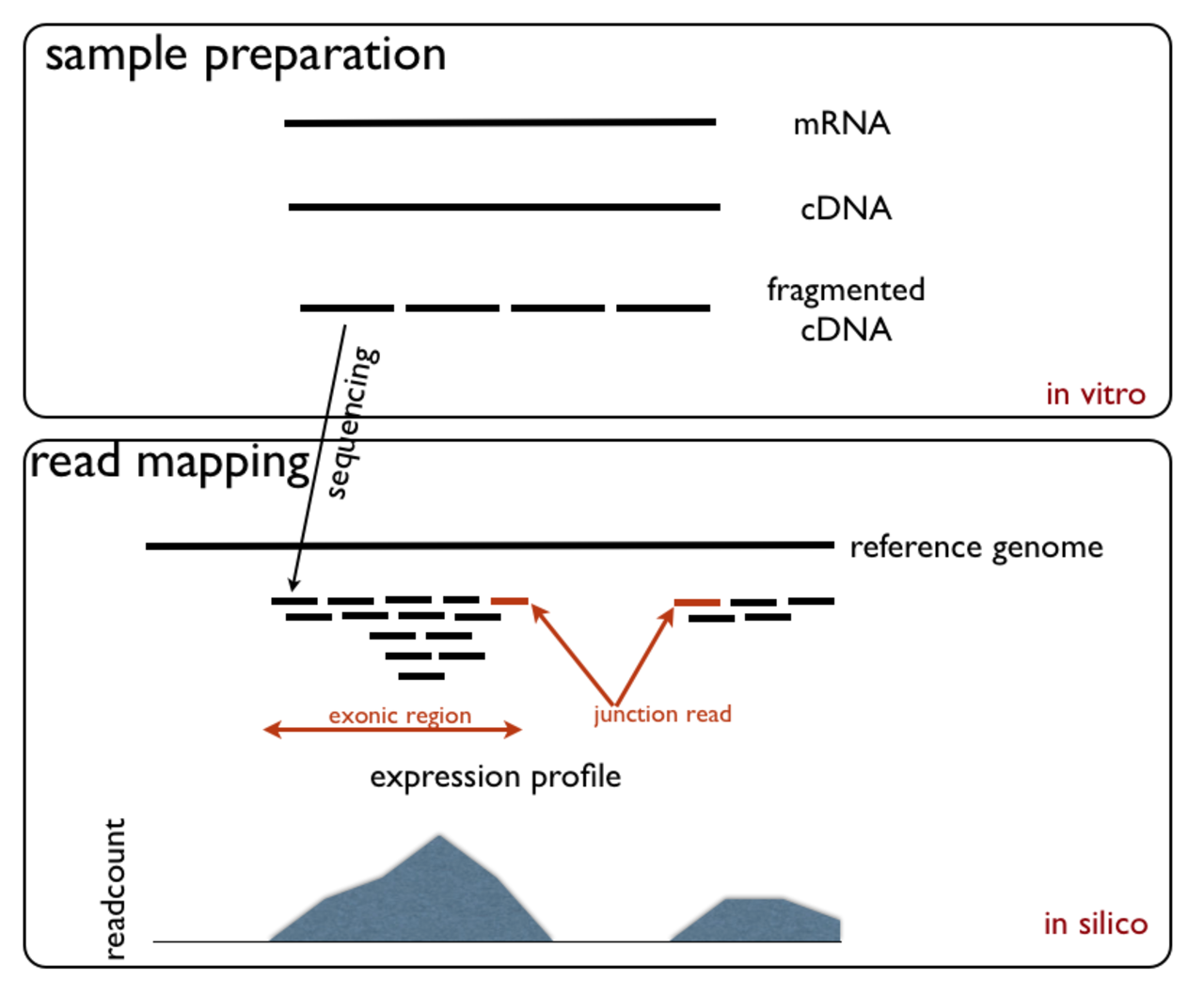
The analytical techniques used in single cell genomics are diverse and rapidly evolving. For example, single-cell RNA sequencing (scRNA-seq) is a powerful tool for characterizing the transcriptome of individual cells, allowing researchers to identify cell-specific gene expression patterns and understand the regulatory mechanisms that control cellular behavior, as demonstrated in studies using platforms like 10x Genomics. Other techniques, such as single-cell ATAC-seq (assay for transposase-accessible chromatin using sequencing), provide insights into chromatin accessibility and gene regulation, while tools like CRISPR-Cas9 enable precise genome editing and functional genomics studies, as seen in the work of researchers like Jennifer Doudna and Emmanuelle Charpentier.
🧬 Applications in Disease Research and Diagnosis
The applications of single cell genomics in disease research and diagnosis are vast and varied. For instance, single cell analysis has been used to study the heterogeneity of cancer cells, revealing new insights into tumor evolution and the development of resistance to therapy, a topic that has been explored in the context of the Cancer Genome Atlas project. Similarly, single cell genomics has been applied to the study of neurological disorders, such as Alzheimer's disease, where it has helped to identify novel cell types and molecular mechanisms underlying disease progression, as seen in the work of researchers like David Holtzman. Furthermore, single cell genomics has the potential to revolutionize personalized medicine, enabling the development of tailored therapies that target specific cell populations, as envisioned by researchers like George Church.
🔍 Future Directions and Challenges
As single cell genomics continues to advance, several challenges and future directions emerge. One of the major challenges is the integration of single cell data with other types of biological data, such as imaging and proteomic data, to create a more comprehensive understanding of cellular biology, a goal that is being pursued by initiatives like the Allen Institute for Cell Science. Additionally, the development of new analytical tools and methods will be essential for extracting meaningful insights from the vast amounts of data generated by single cell genomics experiments, a task that is being addressed by researchers like Lior Pachter and his work on the development of new computational methods for single cell analysis. Ultimately, the future of single cell genomics holds great promise for transforming our understanding of biology and improving human health, as envisioned by scientists like Eric Lander and his work on the Human Genome Project.
Key Facts
- Year
- 2010-2020
- Origin
- United States
- Category
- science
- Type
- concept
Frequently Asked Questions
What is single cell genomics?
Single cell genomics is a field of research that involves the analysis of individual cells to understand their unique characteristics and behavior.
What are the applications of single cell genomics?
Single cell genomics has a wide range of applications, including cancer research, neurological disorders, and personalized medicine.
What are the challenges of single cell genomics?
One of the major challenges of single cell genomics is the integration of single cell data with other types of biological data to create a more comprehensive understanding of cellular biology.
Who are some key researchers in the field of single cell genomics?
Some key researchers in the field of single cell genomics include Stephen Quake, Jennifer Doudna, and Eric Lander.
What is the future of single cell genomics?
The future of single cell genomics holds great promise for transforming our understanding of biology and improving human health, with potential applications in personalized medicine, cancer research, and regenerative medicine.