
Contents
Overview
Telemedicine and remote monitoring represent a seismic shift in healthcare delivery, leveraging telecommunications and digital technologies to provide clinical services and patient oversight from afar. Telemedicine focuses on the remote diagnosis and treatment of patients, while remote monitoring involves the continuous or periodic collection of patient health data outside traditional clinical settings. These technologies have roots stretching back to early radio and telephone-based consultations, but their modern iteration, supercharged by the internet and sophisticated biosensors, exploded in the late 20th and early 21st centuries. The global telehealth market, encompassing these services, was valued at approximately $20.1 billion in 2021 and is projected to surge past $100 billion by 2028, underscoring their immense and growing significance. They are crucial for expanding access to care, managing chronic conditions, and improving healthcare efficiency, though debates persist regarding equity, data security, and regulatory frameworks.
🎵 Origins & History
The conceptual seeds of telemedicine were sown long before the internet, with early experiments in using radio and telephone for medical advice dating back to the 1920s. The true genesis of modern telemedicine is often traced to the 1960s, particularly the Space Race and its need for remote medical support for astronauts. The advent of the internet and digital imaging in the 1990s, coupled with the development of Electronic Health Records (EHRs), laid the groundwork for broader adoption. Early pioneers like Dr. Ron Gerber championed its potential, while organizations like the American Telemedicine Association (ATA), founded in 1993, began formalizing the field.
⚙️ How It Works
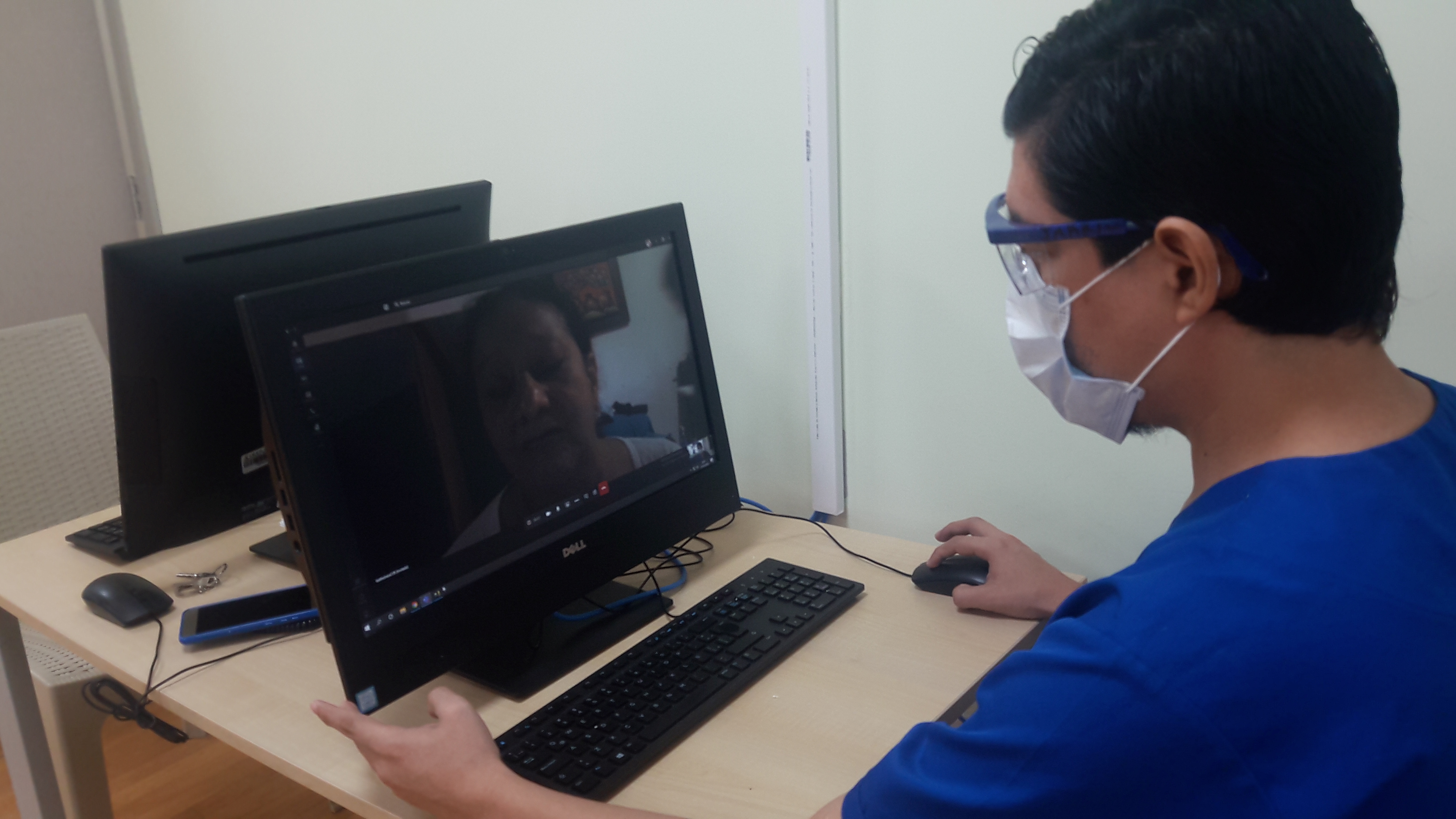
Telemedicine operates through various modalities. Video conferencing platforms, such as Zoom or Doximity's secure video tools, enable real-time virtual consultations between patients and clinicians, allowing for visual assessment and discussion. Store-and-forward telemedicine involves transmitting medical data—like images or lab results—to a specialist for later review, common in dermatology and radiology. Remote patient monitoring (RPM) utilizes connected devices—wearables like Apple Watches, blood pressure cuffs, glucose meters, and even smart inhalers—to collect physiological data. This data is then transmitted to healthcare providers via secure portals, enabling proactive management of chronic conditions like heart failure or diabetes. The underlying infrastructure relies on robust Internet of Things (IoT) connectivity and secure data transmission protocols.
📊 Key Facts & Numbers
The scale of telemedicine and remote monitoring is staggering. The global telehealth market was valued at approximately $20.1 billion in 2021 and is projected to reach $101.1 billion by 2028, exhibiting a compound annual growth rate (CAGR) of 22.4%. During the COVID-19 pandemic, telehealth utilization surged by an estimated 68.7% in the US, with some specialties seeing increases of over 4,000%. A 2023 study found that 65% of US adults had used telehealth services, a significant jump from pre-pandemic levels. Remote monitoring devices are expected to exceed 1 billion by 2025, with an estimated 70 million patients in the US alone benefiting from RPM by 2025. The average cost savings per patient for chronic disease management via RPM can range from $1,000 to $5,000 annually.
👥 Key People & Organizations
Key figures and organizations have shaped the trajectory of telemedicine. Dr. Ron Gerber is often cited for his early advocacy and work in telemedicine practices. The American Telemedicine Association (ATA) has been instrumental in setting standards, advocating for policy changes, and educating stakeholders. Major technology providers like Teladoc Health, Amwell, and Doctor On Demand have built massive platforms facilitating virtual care. In the realm of remote monitoring, companies such as Livongo Health (now part of Teladoc Health) and Omada Health have pioneered digital health coaching and device integration for chronic disease management. Regulatory bodies like the U.S. Food and Drug Administration (FDA) play a crucial role in approving and overseeing medical devices used in these services.
🌍 Cultural Impact & Influence
Telemedicine and remote monitoring have profoundly reshaped patient expectations and healthcare access. They have democratized healthcare, bringing specialist expertise to rural and underserved populations, thereby reducing geographic barriers. The convenience of virtual visits has fostered greater patient engagement and adherence to treatment plans, particularly for those with mobility issues or demanding schedules. Culturally, the pandemic accelerated the acceptance of 'webside manner' and normalized remote interactions with healthcare providers, shifting the perception of care from solely in-person to a hybrid model. This has also spurred innovation in digital health literacy and the development of user-friendly interfaces, making healthcare more accessible to a broader demographic, including older adults who might have previously been hesitant.
⚡ Current State & Latest Developments
The current landscape is defined by rapid integration and evolving regulatory frameworks. In 2024, many healthcare systems are solidifying their telehealth offerings, moving beyond pandemic-era emergency measures to establish permanent hybrid care models. The Federal Communications Commission (FCC) continues to invest in broadband infrastructure to support telehealth access in rural areas. The Health Insurance Portability and Accountability Act (HIPAA) remains a critical regulatory pillar, with ongoing discussions about its application to new data streams from RPM devices. Innovations in Artificial Intelligence (AI) are increasingly being integrated into telemedicine platforms for diagnostic support, patient triage, and predictive analytics, exemplified by companies like Buoy Health developing AI-powered symptom checkers. The focus is shifting towards value-based care, where remote monitoring plays a key role in proactive health management.
🤔 Controversies & Debates
Significant controversies surround telemedicine and remote monitoring. A primary concern is the digital divide: disparities in access to reliable internet and technology disproportionately affect low-income populations, rural communities, and older adults, potentially exacerbating existing health inequities. Data privacy and security are paramount; the vast amounts of sensitive patient data collected by RPM devices raise concerns about breaches and misuse, necessitating robust cybersecurity measures and strict adherence to regulations like HIPAA. The quality of care delivered remotely is also debated, with questions about the ability to conduct thorough physical examinations and the potential for misdiagnosis without in-person interaction. Furthermore, reimbursement policies for telemedicine services, while expanded during the pandemic, remain a complex and evolving area, impacting provider adoption and patient access.
🔮 Future Outlook & Predictions
The future of telemedicine and remote monitoring points towards deeper integration and greater personalization. Expect a continued rise in AI-driven diagnostics and predictive analytics, enabling earlier detection of health issues and more proactive interventions. The development of more sophisticated, less intrusive biosensors will further enhance RPM capabilities, potentially leading to 'ambient' monitoring within the home. We will likely see a more seamless blend of virtual and in-person care, creating true hybrid models where patients move fluidly between modalities based on their needs. Regulatory bodies will continue to grapple with adapting frameworks to these rapidly evolving technologies, aiming to balance innovation with patient safety and data protection. The ultimate goal is a more accessible, efficient, and patient-centric healthcare system, with telemedicine and RPM as foundational pillars.
💡 Practical Applications
Telemedicine and remote monitoring have a vast array of practical applications across healthcare. They are indispensable for managing chronic diseases like diabetes, hypertension, and COPD, allowing for continuous data tracking and timely interventions. Post-operative care is another major area, enabling patients to recover at home while being monitored for complications. Mental health services have seen a significant boost, with v
Key Facts
- Category
- technology
- Type
- topic