Contents
- 🌆 Introduction to Urban Runoff
- 🚧 The Impact of Impervious Surfaces
- 🌪️ Stormwater Management Challenges
- 📊 The Economics of Urban Runoff
- 🌿 Green Infrastructure Solutions
- 🚮 Pollution and Public Health Concerns
- 🌈 Innovative Technologies for Mitigation
- 🤝 Community Engagement and Education
- 📈 Urban Planning and Policy Reforms
- 🌐 Global Perspectives on Urban Runoff
- 📊 Case Studies and Success Stories
- 🔮 Future Directions and Research Needs
- Frequently Asked Questions
- Related Topics
Overview
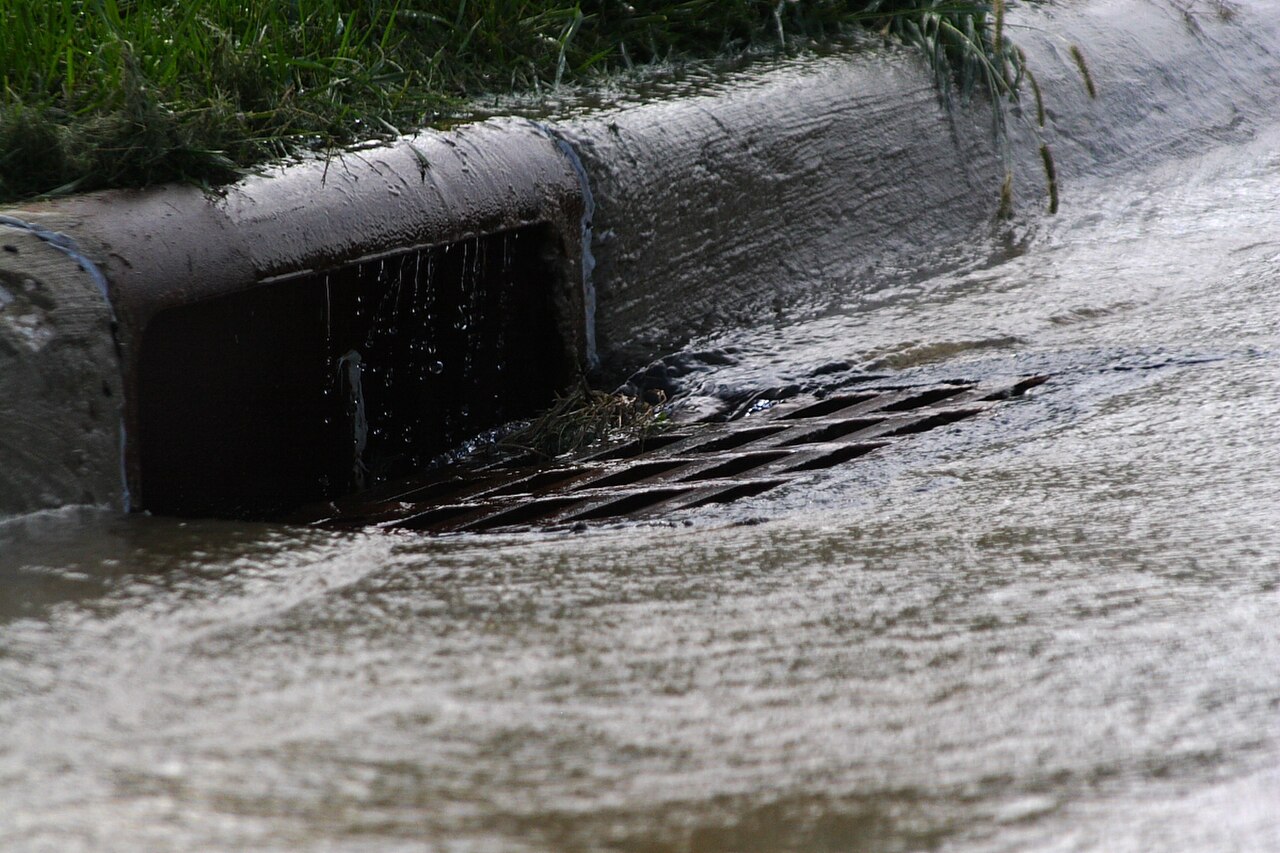
Urban runoff, a major contributor to water pollution, occurs when rainfall or snowmelt flows over impervious surfaces like streets, sidewalks, and buildings, picking up pollutants and sediments along the way. According to the US Environmental Protection Agency (EPA), urban runoff is a leading cause of water quality problems in the United States, with over 10 trillion gallons of untreated stormwater entering waterways each year. The impact is staggering, with a study by the National Oceanic and Atmospheric Administration (NOAA) finding that urban runoff is responsible for 30% of all water pollution in the US. As cities continue to grow and urbanize, the problem of urban runoff will only intensify, with the World Health Organization (WHO) predicting that by 2050, 70% of the world's population will live in urban areas. To mitigate this issue, cities are turning to green infrastructure like green roofs, rain gardens, and permeable pavements, which can reduce stormwater runoff by up to 70%, as reported by the American Society of Civil Engineers (ASCE). However, the implementation of these solutions is often hindered by funding constraints and lack of public awareness, sparking debates about the role of government, private sector, and individual responsibility in addressing urban runoff.
🌆 Introduction to Urban Runoff
Urban runoff, also known as stormwater runoff, is a significant environmental concern in urban areas. It is the surface runoff of rainwater, landscape irrigation, and car washing created by urbanization. As discussed in Urbanization, the process of urban development leads to the construction of impervious surfaces, such as roads, sidewalks, and buildings. These surfaces, along with rooftops, carry polluted stormwater to storm drains, instead of allowing the water to percolate through soil, as explained in Stormwater Management. This can lead to a range of problems, including Water Pollution and Flooding.
🚧 The Impact of Impervious Surfaces
The impact of impervious surfaces on urban runoff cannot be overstated. As noted in Impervious Surface, these surfaces can increase the amount of stormwater runoff by up to 50%. This is because impervious surfaces do not allow water to infiltrate the soil, instead directing it to storm drains and waterways. As a result, urban areas with high levels of imperviousness are more prone to Urban Flooding and Stormwater Pollution. To mitigate these effects, cities are turning to Green Infrastructure solutions, such as green roofs and rain gardens, as discussed in Green Roof and Rain Garden.
🌪️ Stormwater Management Challenges
Stormwater management is a critical challenge in urban areas. As explained in Stormwater Management, the goal of stormwater management is to reduce the amount of stormwater runoff and improve water quality. However, this can be difficult to achieve, particularly in areas with high levels of imperviousness. To address this challenge, cities are using a range of strategies, including Stormwater Drainage systems and Wetland Restoration projects. Additionally, Low Impact Development techniques, such as permeable pavement and rain barrels, are being used to reduce stormwater runoff and improve water quality, as discussed in Permeable Pavement and Rain Barrel.
📊 The Economics of Urban Runoff
The economics of urban runoff are complex and multifaceted. As noted in Economic Impact, the costs of urban runoff can be significant, including the costs of Flood Damage and Water Treatment. However, the benefits of reducing urban runoff can also be substantial, including improved Water Quality and enhanced Ecosystem Services. To balance these costs and benefits, cities are using a range of economic tools, including Cost-Benefit Analysis and Economic Incentives. Additionally, Green Infrastructure solutions, such as green roofs and rain gardens, can provide a range of economic benefits, including Energy Efficiency and Increased Property Values.
🌿 Green Infrastructure Solutions
Green infrastructure solutions are playing an increasingly important role in reducing urban runoff. As explained in Green Infrastructure, these solutions use natural or semi-natural systems to manage stormwater runoff. Examples of green infrastructure solutions include Green Roofs, Rain Gardens, and Permeable Pavement. These solutions can be highly effective in reducing stormwater runoff and improving water quality, as discussed in Stormwater Management and Water Quality. Additionally, green infrastructure solutions can provide a range of other benefits, including Urban Heat Island Mitigation and Biodiversity Conservation.
🚮 Pollution and Public Health Concerns
Pollution and public health concerns are significant issues related to urban runoff. As noted in Water Pollution, urban runoff can carry a range of pollutants, including Sediment, Nutrients, and Bacteria. These pollutants can have serious impacts on public health, including increased risk of Waterborne Diseases. To address these concerns, cities are using a range of strategies, including Stormwater Treatment and Public Education campaigns. Additionally, Green Infrastructure solutions, such as green roofs and rain gardens, can help to reduce stormwater pollution and improve water quality, as discussed in Green Roof and Rain Garden.
🌈 Innovative Technologies for Mitigation
Innovative technologies are being used to mitigate the impacts of urban runoff. As explained in Urban Runoff Mitigation, these technologies include Smart Stormwater Management systems and Green Infrastructure solutions. Additionally, Low Impact Development techniques, such as permeable pavement and rain barrels, are being used to reduce stormwater runoff and improve water quality, as discussed in Permeable Pavement and Rain Barrel. These technologies can be highly effective in reducing stormwater runoff and improving water quality, as noted in Stormwater Management and Water Quality.
🤝 Community Engagement and Education
Community engagement and education are critical components of urban runoff mitigation efforts. As noted in Public Education, educating the public about the impacts of urban runoff and the benefits of green infrastructure solutions can help to build support for these efforts. Additionally, Community Engagement strategies, such as public outreach and participation, can help to ensure that urban runoff mitigation efforts are effective and sustainable. As discussed in Green Infrastructure, community engagement and education can also help to promote the adoption of green infrastructure solutions, such as green roofs and rain gardens.
📈 Urban Planning and Policy Reforms
Urban planning and policy reforms are necessary to address the challenges of urban runoff. As explained in Urban Planning, urban planning strategies, such as Zoning Regulations and Land Use Planning, can help to reduce the amount of impervious surfaces in urban areas. Additionally, Policy Reforms, such as Stormwater Regulations and Green Infrastructure Incentives, can help to promote the adoption of green infrastructure solutions, as discussed in Green Infrastructure. These reforms can help to reduce stormwater runoff and improve water quality, as noted in Stormwater Management and Water Quality.
🌐 Global Perspectives on Urban Runoff
Global perspectives on urban runoff highlight the need for international cooperation and knowledge sharing. As noted in Global Water Issues, urban runoff is a global problem that requires a global response. Cities around the world are facing similar challenges related to urban runoff, and sharing knowledge and best practices can help to address these challenges. As discussed in International Cooperation, global initiatives, such as the United Nations Sustainable Development Goals, can help to promote international cooperation and knowledge sharing on urban runoff mitigation efforts.
📊 Case Studies and Success Stories
Case studies and success stories can provide valuable insights into effective urban runoff mitigation strategies. As explained in Case Study, cities such as New York City and Los Angeles have implemented successful urban runoff mitigation efforts, including green infrastructure solutions and public education campaigns. These case studies can help to inform urban runoff mitigation efforts in other cities, as noted in Urban Runoff Mitigation and Green Infrastructure. Additionally, Success Stories can help to build support for urban runoff mitigation efforts and promote the adoption of green infrastructure solutions.
🔮 Future Directions and Research Needs
Future directions and research needs for urban runoff mitigation efforts are focused on developing innovative technologies and strategies. As discussed in Research and Development, future research needs include the development of more effective green infrastructure solutions, such as Green Roofs and Rain Gardens. Additionally, Innovative Technologies, such as Smart Stormwater Management systems, can help to improve the effectiveness of urban runoff mitigation efforts. As noted in Urban Runoff Mitigation, these future directions and research needs can help to address the challenges of urban runoff and promote sustainable urban development.
Key Facts
- Year
- 2022
- Origin
- Vibepedia
- Category
- Environmental Science
- Type
- Environmental Issue
Frequently Asked Questions
What is urban runoff?
Urban runoff, also known as stormwater runoff, is the surface runoff of rainwater, landscape irrigation, and car washing created by urbanization. It can carry a range of pollutants, including sediment, nutrients, and bacteria, and can have serious impacts on public health and the environment. As discussed in Urban Runoff, urban runoff is a significant environmental concern in urban areas. To mitigate its effects, cities are using a range of strategies, including Green Infrastructure solutions and Stormwater Management systems.
What are the impacts of urban runoff?
The impacts of urban runoff can be significant, including increased risk of Waterborne Diseases and Flood Damage. Urban runoff can also carry a range of pollutants, including Sediment, Nutrients, and Bacteria, which can have serious impacts on public health and the environment. As noted in Urban Runoff Mitigation, addressing these impacts requires a range of strategies, including Green Infrastructure solutions and Stormwater Management systems.
What are green infrastructure solutions?
Green infrastructure solutions are natural or semi-natural systems that are used to manage stormwater runoff. Examples of green infrastructure solutions include Green Roofs, Rain Gardens, and Permeable Pavement. These solutions can be highly effective in reducing stormwater runoff and improving water quality, as discussed in Stormwater Management and Water Quality. As noted in Green Infrastructure, green infrastructure solutions can also provide a range of other benefits, including Urban Heat Island Mitigation and Biodiversity Conservation.
How can I get involved in urban runoff mitigation efforts?
There are many ways to get involved in urban runoff mitigation efforts, including participating in Public Education campaigns and supporting Green Infrastructure projects. As discussed in Community Engagement, community engagement and education are critical components of urban runoff mitigation efforts. You can also support organizations that work on urban runoff mitigation efforts, such as the Environmental Protection Agency. Additionally, you can make changes in your own daily life, such as using Rain Barrels and Permeable Pavement, to reduce your impact on urban runoff.
What are the benefits of reducing urban runoff?
The benefits of reducing urban runoff are numerous, including improved Water Quality and reduced risk of Flood Damage. Reducing urban runoff can also help to protect public health, as discussed in Public Health, and promote Biodiversity Conservation. As noted in Urban Runoff Mitigation, reducing urban runoff can also help to promote sustainable urban development and support Ecosystem Services. Additionally, reducing urban runoff can help to reduce the economic impacts of Flood Damage and Water Treatment.
What are the challenges of reducing urban runoff?
The challenges of reducing urban runoff are significant, including the need for Infrastructure Investment and Policy Reforms. As discussed in Urban Planning, urban planning strategies, such as Zoning Regulations and Land Use Planning, can help to reduce the amount of impervious surfaces in urban areas. Additionally, Green Infrastructure solutions, such as Green Roofs and Rain Gardens, can help to reduce stormwater runoff and improve water quality. However, these solutions can be expensive and require significant investment, as noted in Economic Impact.
How can I reduce urban runoff on my own property?
There are many ways to reduce urban runoff on your own property, including using Rain Barrels and Permeable Pavement. As discussed in Low Impact Development, you can also use Green Roofs and Rain Gardens to reduce stormwater runoff and improve water quality. Additionally, you can make changes in your daily life, such as reducing your use of Fertilizers and Pesticides, to reduce your impact on urban runoff. As noted in Stormwater Management, these strategies can help to reduce the amount of stormwater runoff and improve water quality.